
Comparing Composite and Wood Decking: Which is Right for Your Melbourne Home?


Understanding Composite and Wood Decking
When it comes to enhancing your Melbourne home's outdoor space, choosing the right decking material is essential. Two popular options are composite decking and wood decking. Each offers unique benefits and considerations that can impact your decision. Let's dive into the differences to help you determine which is best for your home.
Durability and Longevity
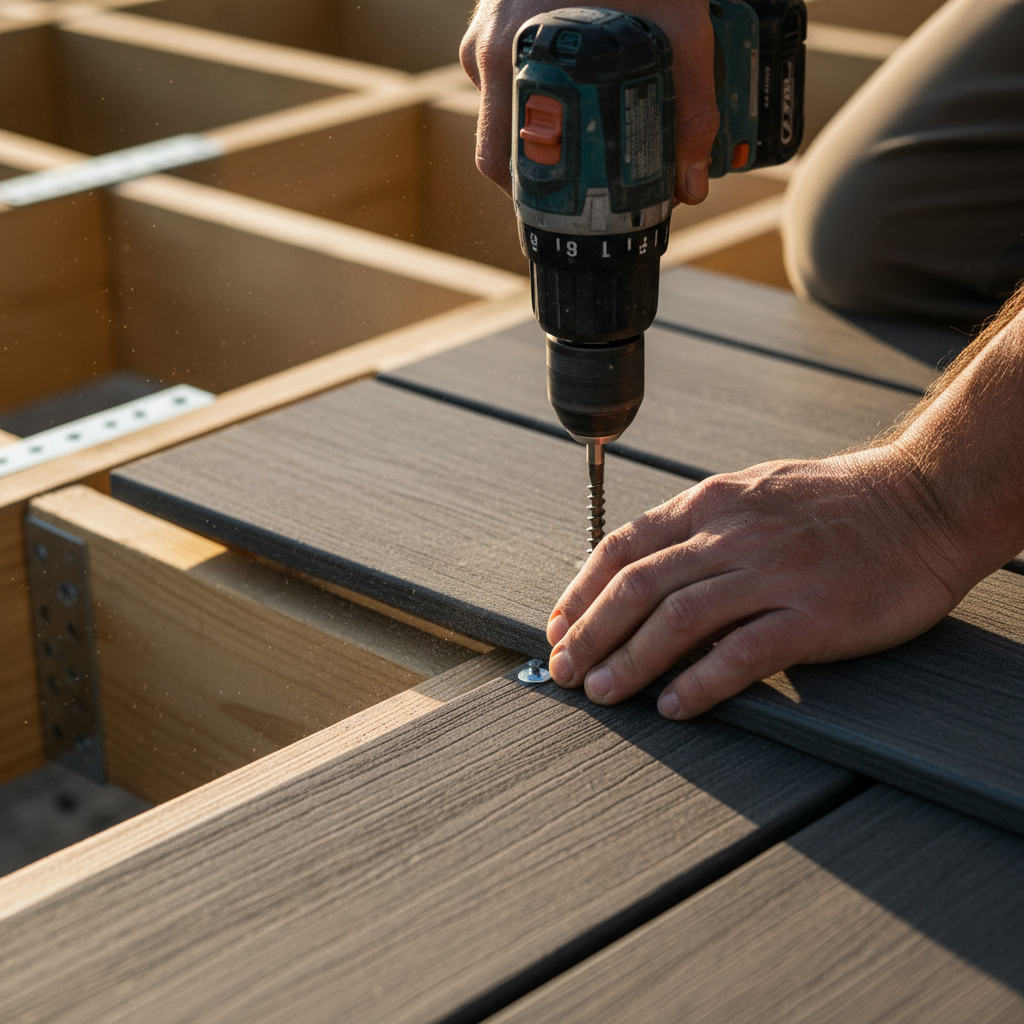
One of the primary factors homeowners consider is durability. Composite decking is known for its resilience. Made from a blend of wood fibers and recycled plastics, it resists rot, mold, and insect damage. This makes it an excellent choice for Melbourne's varying climate. On the other hand, natural wood, while beautiful, requires more maintenance to prevent weather-related wear.
Wood decking, typically made from timber like pine or cedar, offers a classic look but is more susceptible to warping, splintering, and fading over time. Regular sealing and staining are needed to maintain its appearance and durability.
Aesthetic Appeal
For many homeowners, the visual appeal is a significant consideration. Wood decking provides a natural, warm aesthetic that many find appealing. It can be stained or painted in a variety of colors, offering flexibility in design.
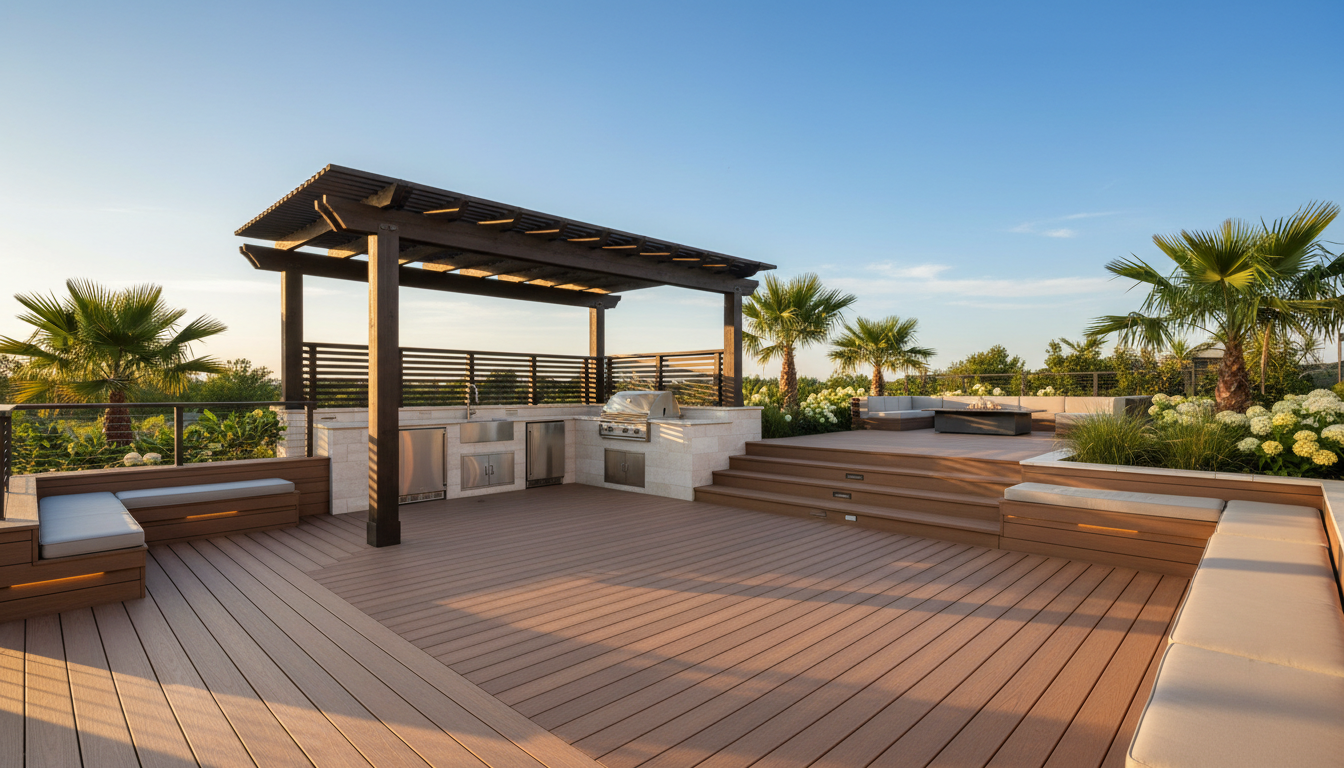
Composite decking, while available in a range of colors and finishes, aims to mimic the look of natural wood. However, some purists may find it lacks the authentic texture and warmth of real timber.
Environmental Impact
Environmental concerns are increasingly influencing homeowner choices. Composite decking is often lauded for its eco-friendliness as it's made from recycled materials. It reduces the demand for virgin timber and keeps plastics out of landfills.
Conversely, wood decking sourced sustainably can also be a green option. Choosing timber from responsibly managed forests ensures a minimal environmental footprint. Consider checking for FSC certification when opting for wood decking.
Cost Considerations
Budget is always a crucial factor in home improvement projects. Initially, composite decking may have a higher upfront cost compared to wood. However, it often proves more cost-effective over time due to lower maintenance expenses.
Wood decking may be less expensive initially, but the ongoing costs of sealing, staining, and potential repairs can add up. Weighing these long-term costs is essential to making a financially sound decision.
Installation and Maintenance
Installation processes for both materials are relatively straightforward, but there are differences. Composite decking often features interlocking systems that simplify installation, while wood decking requires more meticulous cutting and fitting.
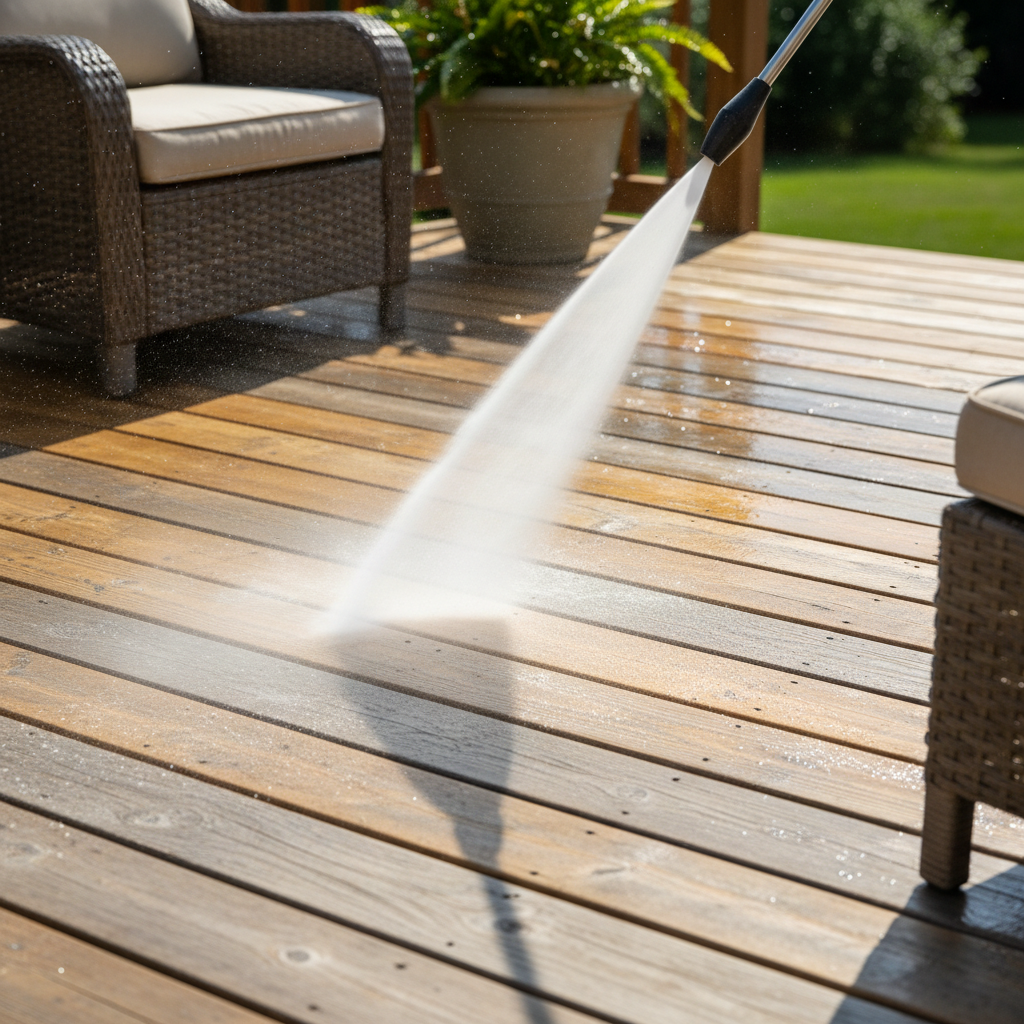
Maintenance is another critical consideration. Composite decking is low-maintenance, requiring just occasional cleaning. Wood decking demands more attention, including regular sealing and staining, to maintain its appearance and integrity.
Conclusion: Making the Right Choice
Ultimately, the choice between composite and wood decking will depend on your personal preferences, budget, and commitment to maintenance. Composite decking offers durability and low upkeep, making it ideal for busy homeowners. In contrast, wood decking provides a natural beauty that can be worth the extra effort for those who love the classic appeal.
Consider your priorities and how each option aligns with your lifestyle and aesthetic goals. By weighing these factors, you can select the perfect decking for your Melbourne home, ensuring years of enjoyment and outdoor relaxation.