
Composite vs. Wood Decking: What Melbourne Homeowners Need to Know


When it comes to enhancing your outdoor space, choosing the right decking material is crucial. Melbourne homeowners are often torn between composite and wood decking. Both have their merits, but understanding their differences is key to making an informed decision.
Durability
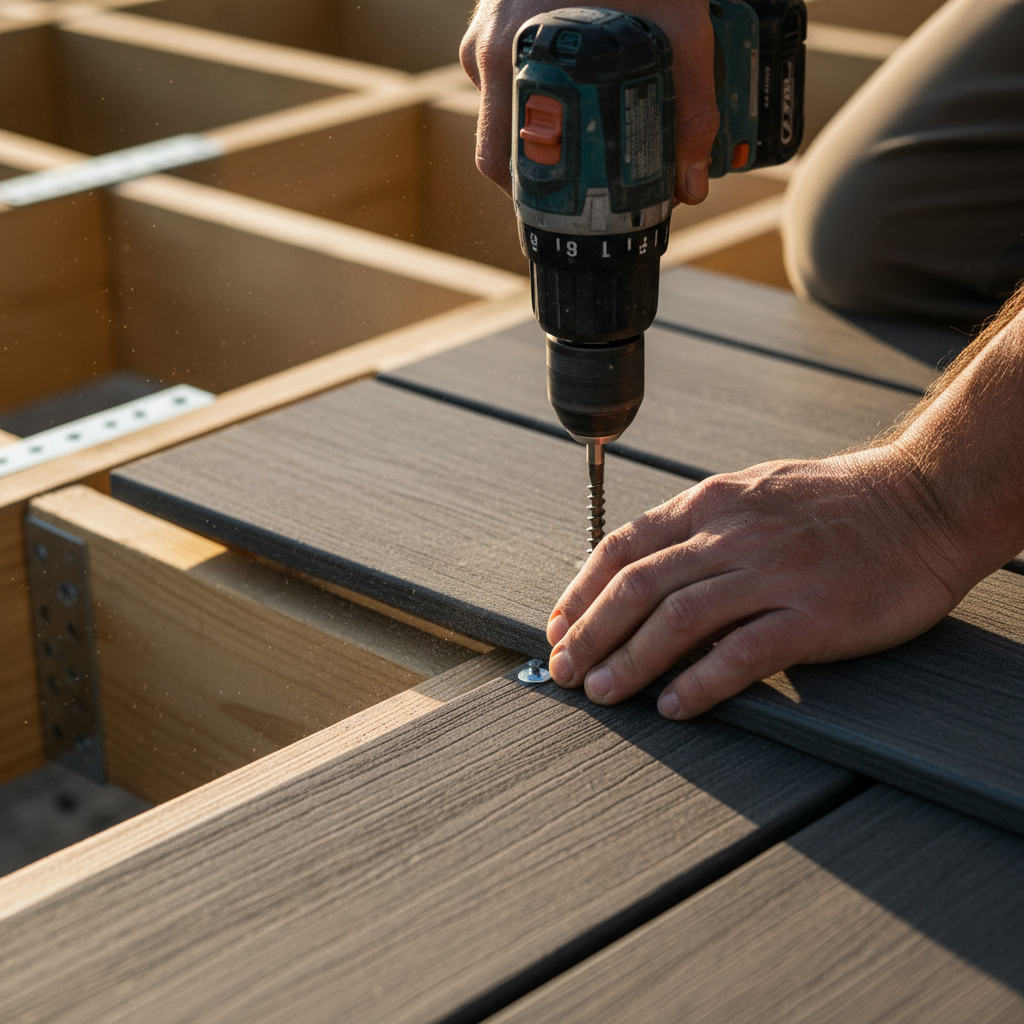
One of the main considerations for homeowners is the durability of the decking material. Composite decking is known for its long-lasting properties. Made from a blend of wood fibers and plastic, it resists rot, warping, and insect damage, making it an ideal choice for Melbourne’s diverse climate.
On the other hand, wood decking offers a natural aesthetic but requires regular maintenance to prevent damage from moisture and pests. While woods like cedar and redwood are more durable than others, they still demand consistent care.
Maintenance
Maintenance is another critical factor. Composite decking is low-maintenance; it doesn't require staining, sealing, or painting. A simple wash with soap and water is usually sufficient to keep it looking fresh.
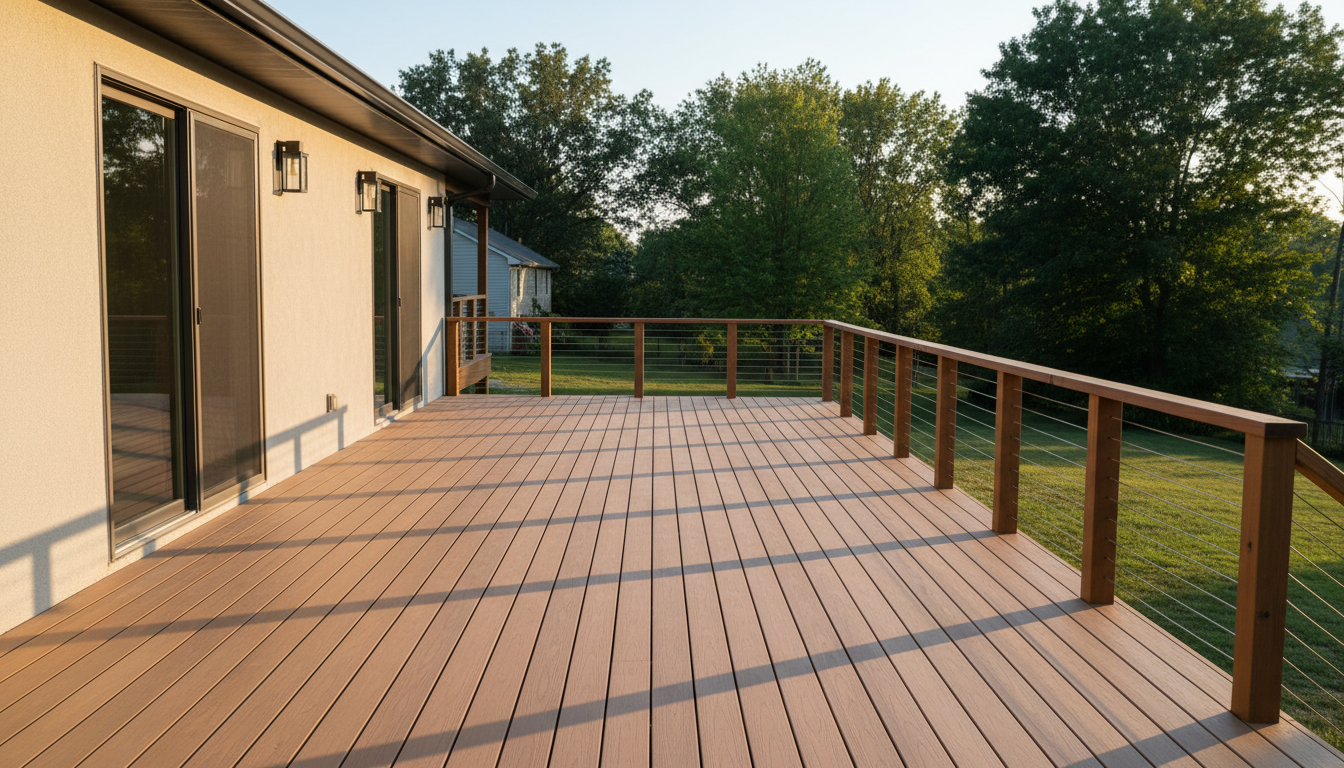
Conversely, wood decking needs regular upkeep, including sanding, staining, and sealing, to maintain its appearance and prevent weather-related damage. This ongoing maintenance can be time-consuming and costly over time.
Environmental Impact
For environmentally conscious homeowners, the impact of decking materials on the planet is a significant consideration. Composite decking often incorporates recycled materials, reducing the demand for new raw resources. This makes it a greener choice compared to traditional wood decking.
However, sustainably sourced wood can also be an eco-friendly option. Look for certifications from organizations like the Forest Stewardship Council (FSC) to ensure the wood is harvested responsibly.

Cost
The initial cost of composite decking is generally higher than that of wood. However, considering the long-term maintenance costs, composite may prove to be more cost-effective over time. It’s essential to weigh the upfront investment against ongoing expenses.
Wood decking tends to be less expensive initially, but the cost of maintenance can add up significantly, potentially surpassing the cost of composite decking in the long run.
Aesthetic Appeal
Aesthetic appeal is subjective, yet crucial. Wood decking provides a classic, warm look that many homeowners love. It offers a timeless charm and can be customized with different stains and finishes to match personal preferences.
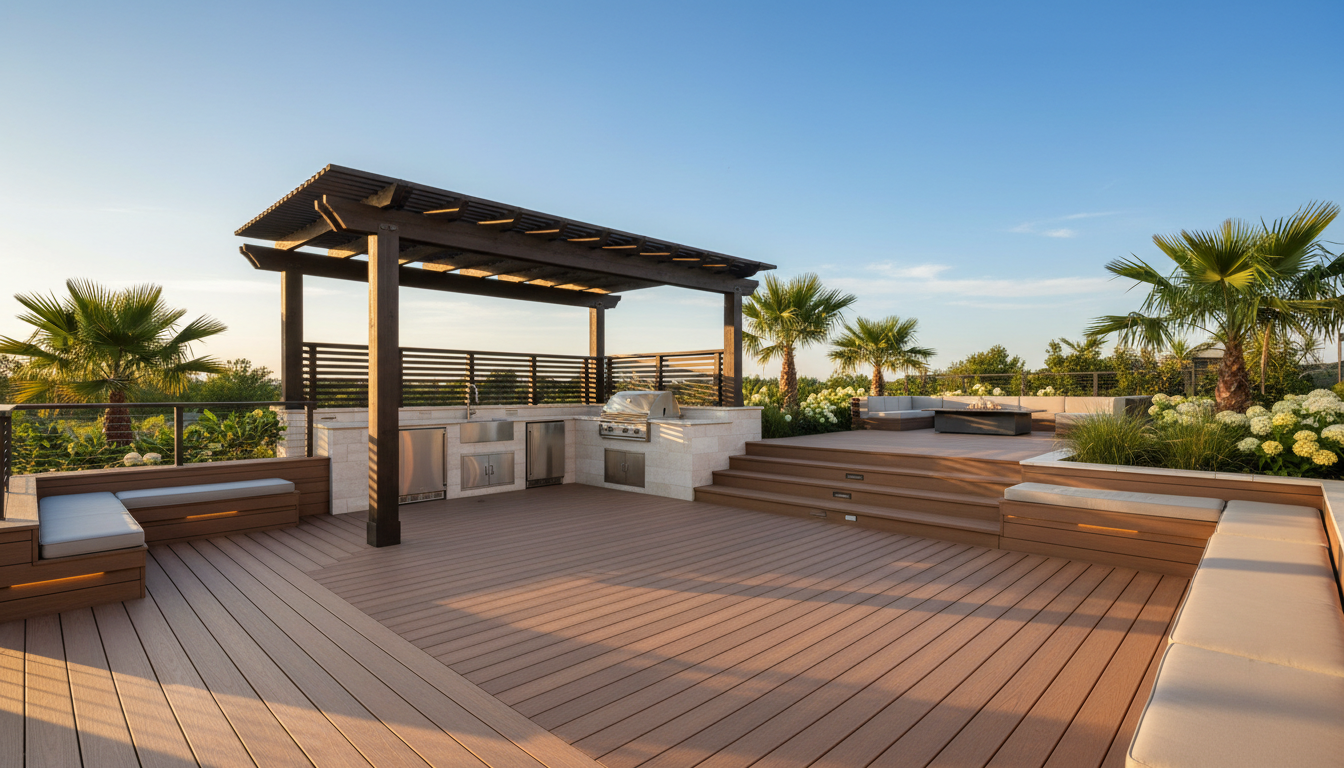
Composite decking has improved significantly in terms of appearance, offering a variety of colors and textures that mimic natural wood. It provides a sleek, modern look that suits contemporary home designs.
Conclusion
Ultimately, the choice between composite and wood decking depends on your priorities. Consider factors like durability, maintenance, environmental impact, cost, and aesthetic appeal. By understanding these differences, Melbourne homeowners can select the best material to create their ideal outdoor oasis.